


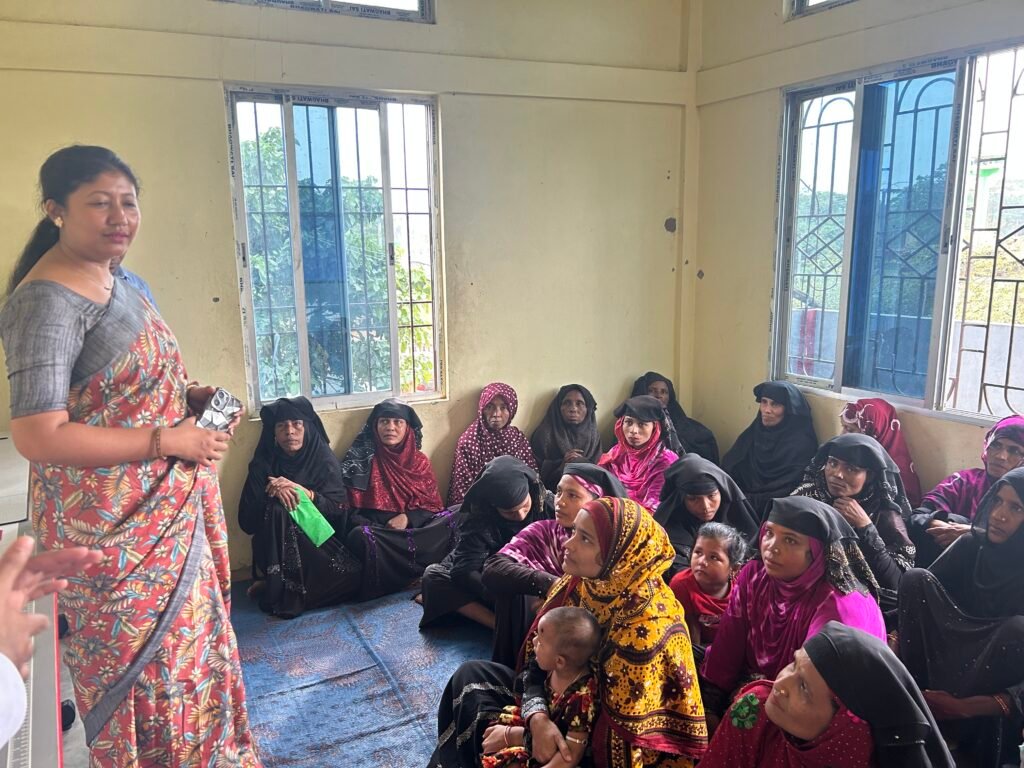
Indian Awaz Foundation launches a community-centred initiative to strengthen Sital Pati weaving, improve livelihood opportunities and connect 50 women artisans with digital services and government support.
Kaliganj, Sribhumi, Assam | 10 November 2026: For generations, women of the Patiyara community in Kaliganj, Sribhumi district, have kept alive the traditional art of Sital Pati weaving. Using locally available materials and skills passed down through generations, they continue to produce the traditional cooling mats that have long been part of everyday life in the Barak Valley.
But behind this enduring craft lies a much bigger story — one of limited economic opportunities, educational disadvantage and a community that has remained largely disconnected from many of the services and opportunities available today.
Belonging to the Other Backward Classes (OBC), the Patiyara community faces considerable socio-economic challenges. The reported literacy rate is below 10%, reflecting the extent of educational exclusion and the need for greater access to information, public services and development opportunities. For many women, Sital Pati weaving remains an important source of household income, yet limited market access, low selling prices and a lack of exposure to newer product designs continue to restrict their earning potential.
Recognising these challenges, the North Eastern Development Finance Corporation Ltd. (NEDFi) has extended CSR support to Indian Awaz Foundation (IAF) for the implementation of the Sital Pati Artisan Livelihood & Digital Empowerment Initiative in the Kaliganj–Ratanpur area of Sribhumi district.
The six-month initiative, covering 50 women artisans, seeks to address the challenges surrounding traditional livelihoods through a combination of enterprise development, digital inclusion and access to institutional support.
Beyond weaving: Building access to opportunities
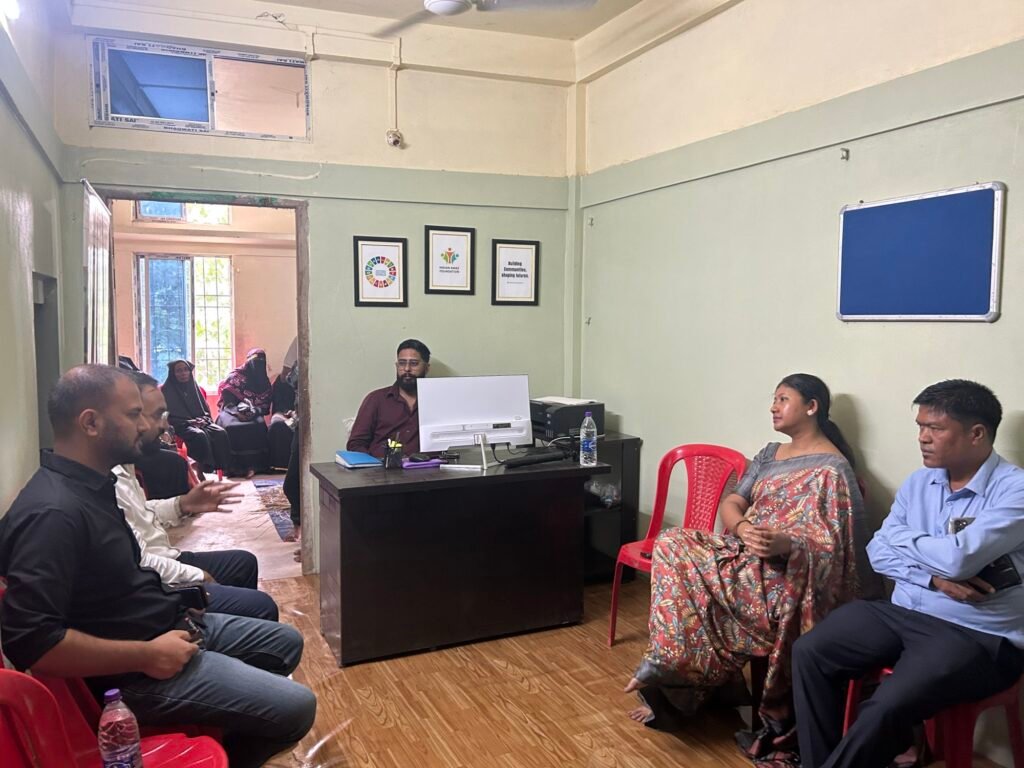
The initiative is being coordinated through the Barak Development Center, an operational centre of Indian Awaz Foundation established to facilitate various community development and social development activities across the Barak Valley.
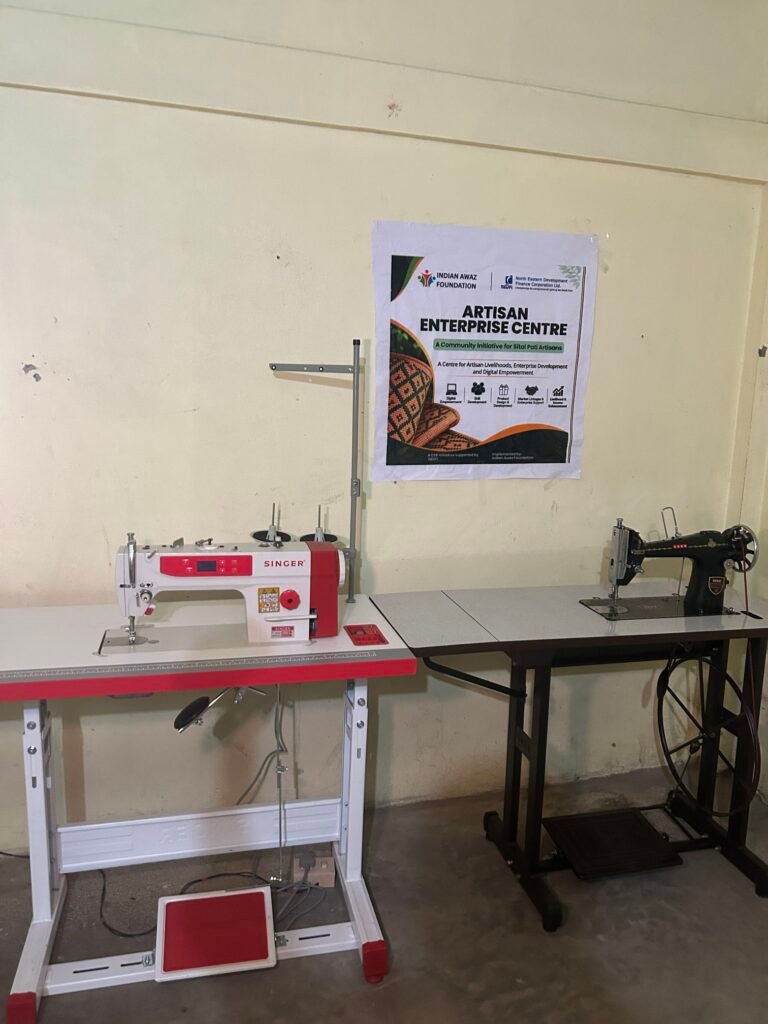
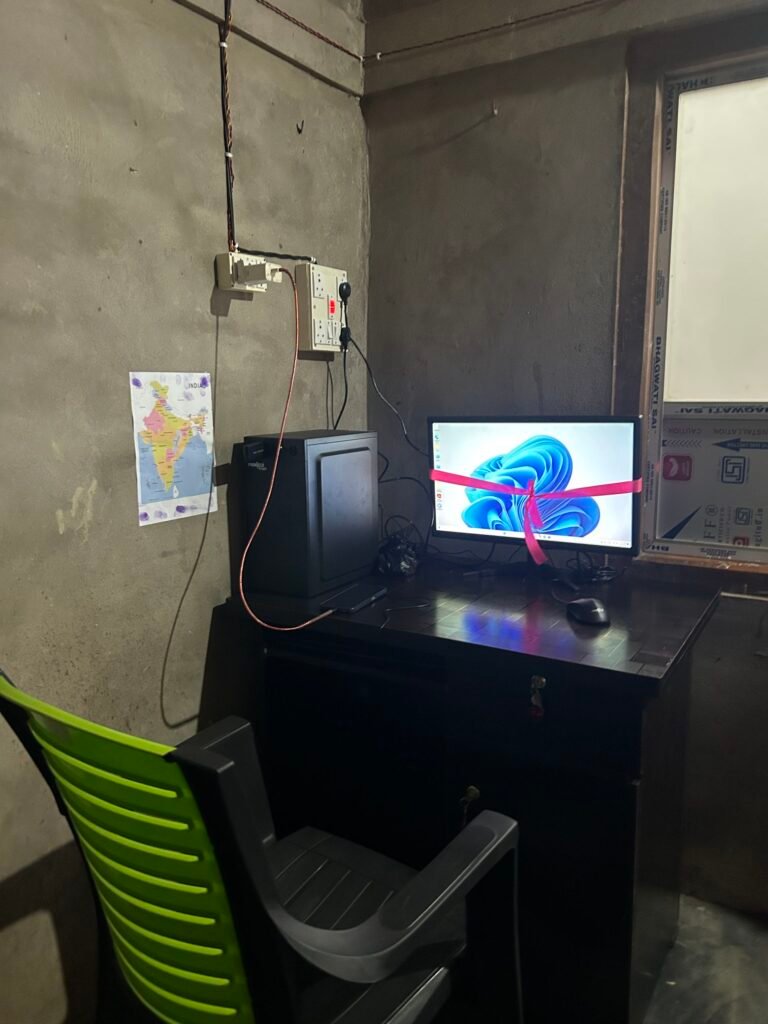
Two complementary facilities form the core of this intervention: the Artisan Enterprise Centre and the Artisan Digital Seva Centre.
The Artisan Enterprise Centre is intended to provide a platform for strengthening the economic potential of traditional Sital Pati weaving. The focus will be on helping artisans explore new product designs and diversified uses of Sital Pati beyond conventional mats, improve finishing and quality, understand product costing and pricing, and explore opportunities to reach new markets.
Potential avenues include contemporary household products, bags and accessories, retail outlets, exhibitions, institutional buyers and corporate gifting. The intention is not simply to increase production, but to help artisans receive better value for their time, skills and craftsmanship.
The Artisan Digital Seva Centre will address another important gap: access to information and essential services. For a community with limited literacy and digital exposure, even basic online processes, government applications and access to welfare information can be difficult.
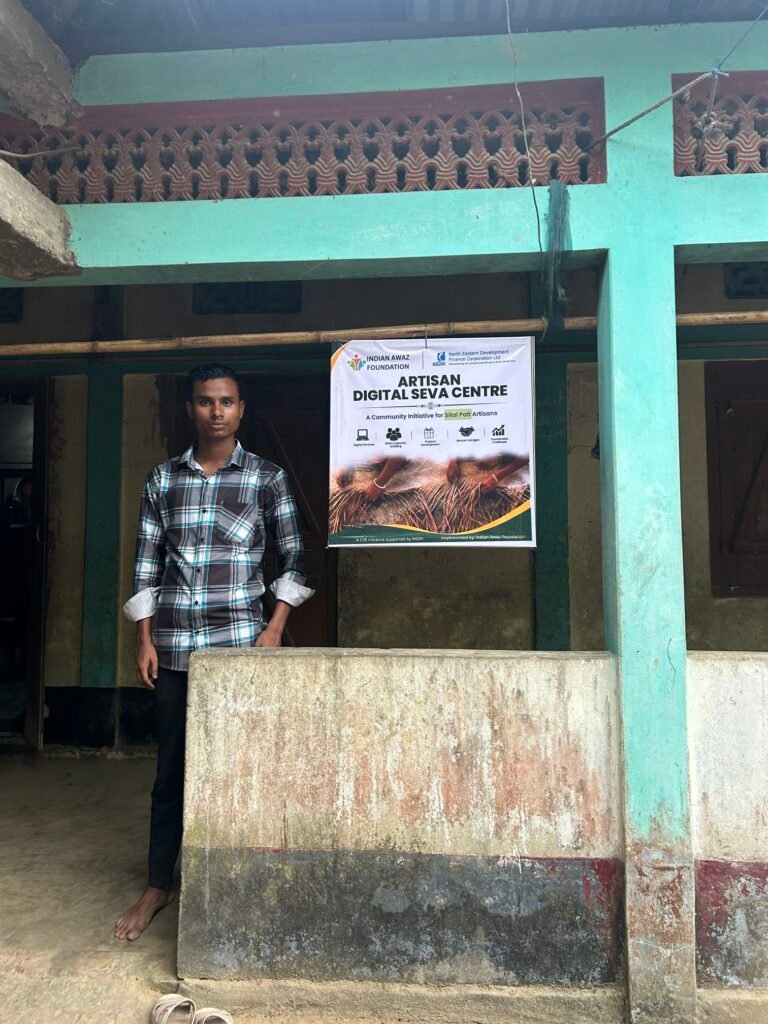
The centre will work as a local facilitation point, helping artisans and their families access digital services, understand relevant government schemes and entitlements, complete online registrations and applications, organise necessary documentation and follow up on applications wherever required.
The approach will go beyond providing information. The aim is to offer end-to-end assistance, from understanding eligibility and identifying documents to completing application processes and connecting beneficiaries with the appropriate departments or institutions.
Through this, the initiative seeks to make digital services more accessible to families who may otherwise struggle to navigate increasingly digital public systems.
Preserving a craft, strengthening a community
For Indian Awaz Foundation, the intervention is about recognising the value of traditional knowledge while addressing the circumstances that often prevent artisan communities from benefiting economically from their skills.
Sital Pati weaving is not merely a means of earning an income. It represents years of inherited knowledge, cultural identity and the contribution of women whose work has sustained a traditional craft across generations. However, preserving such a craft also requires making it economically viable for the present generation and attractive enough for younger generations to continue.
Speaking about the initiative, Md Nazim Ahmed, Founder and Managing Director of Indian Awaz Foundation, said:
“When we look at traditional artisan communities, we often celebrate their craftsmanship, but we do not always pay enough attention to the challenges they face in their everyday lives. The women of the Patiyara community have preserved Sital Pati weaving for generations. What they need today is not just appreciation for their craft, but access to better markets, information, digital services and the support systems that can improve their livelihoods.
Through this initiative, we want to connect traditional skills with new opportunities. The Artisan Enterprise Centre will focus on strengthening the economic value of their craft, while the Artisan Digital Seva Centre will help bridge the gap between the community and essential services, government schemes and institutional support. Our larger vision through the Barak Development Center is to build a resource platform that responds to the development needs of communities across the Barak Valley.”
Indian Awaz Foundation has expressed its appreciation to NEDFi for supporting this initiative and recognising the importance of strengthening traditional livelihoods and improving opportunities for women artisans.
A step towards inclusive development in the Barak Valley
The initiative is expected to create a more organised support system for the participating artisans, combining livelihood development with digital access and institutional facilitation.
For the women of Kaliganj, the hope is that a craft inherited from previous generations can also become a source of stronger economic opportunities for the next. For the wider community, the intervention represents an effort to bring development services closer to people who have historically had limited access to them.
The larger question is no longer just how to preserve a traditional craft, but how to ensure that the people who have kept it alive can build a more secure and dignified future through it.
(PRESS RELEASE)