


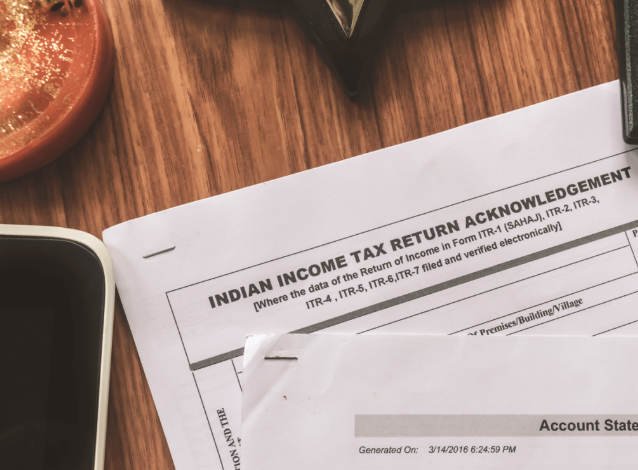
Guwahati, July 31: Filing an Income Tax Return (ITR) does not always mark the end of the tax filing process. Even after submitting a return, taxpayers may receive notices from the Income Tax Department seeking clarification, pointing out discrepancies, or informing them about refunds, additional tax payments, or further verification.
One of the most common notices is Section 143(1) – Intimation, which is issued after the department processes a tax return. It informs taxpayers whether their return has been accepted, if a refund is due, or if additional tax needs to be paid. Such notices are generally triggered by differences between the taxpayer’s calculations and the department’s records, tax credit mismatches, or unpaid advance tax interest.
Another notice, Section 139(9) – Defective Return, is issued when taxpayers file the wrong ITR form, leave out mandatory disclosures, or provide incomplete income details. Taxpayers can avoid this by selecting the correct ITR form, completing all required schedules, and reviewing their return before submission.
The department may also issue a Section 142(1) – Inquiry Before Assessment notice if it requires additional documents or explanations before completing the assessment, or if a taxpayer has failed to file an ITR despite being liable to do so. Filing returns on time, maintaining supporting documents, and ensuring complete disclosures can help prevent such notices.
A Section 143(2) – Scrutiny Notice is sent when a return is selected for detailed examination. This does not automatically imply tax evasion but requires taxpayers to provide evidence supporting the information declared in their return.
The Income Tax Department may also issue notices related to reassessment, updated information, pending tax demands, or recovery proceedings, depending on individual cases.
Tax experts advise taxpayers to verify all sources of income, match TDS details with Form 26AS and the Annual Information Statement (AIS), pay any outstanding tax before filing, and carefully review returns to minimise the chances of receiving notices later.