


“Every Species, Big or Small, Plays a Vital Role in Maintaining Ecological Balance” Forest Minister Jayanta Mallabaruah
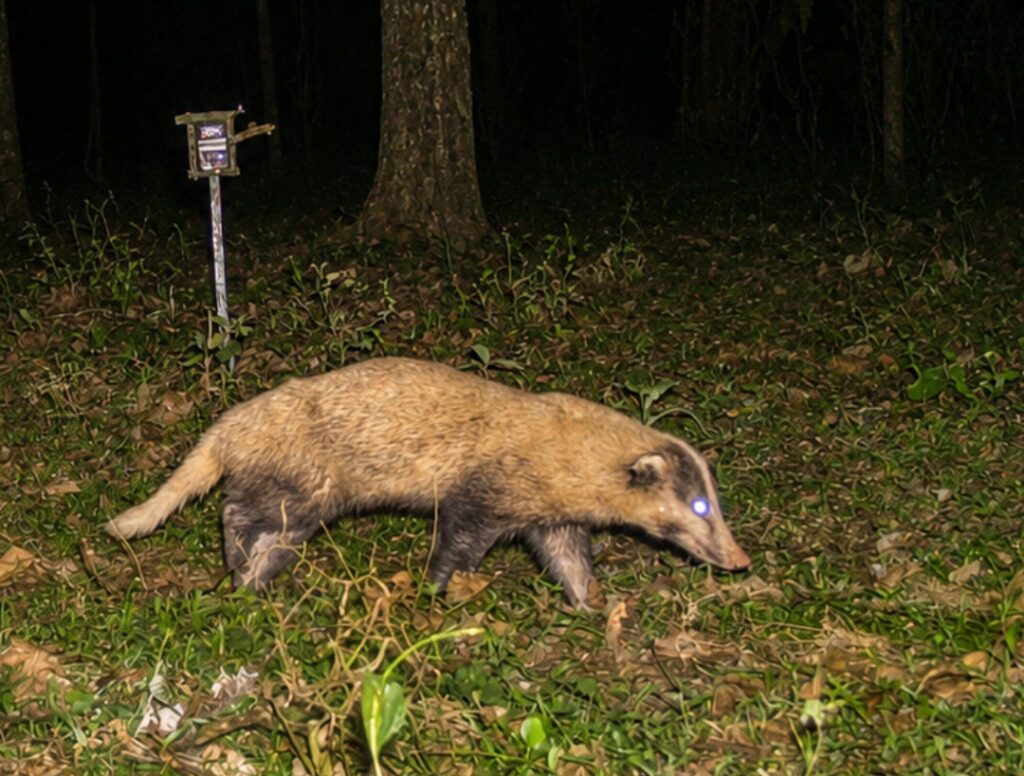
*Kaziranga, June 13:* Kaziranga National Park and Tiger Reserve has released the first ever scientific assessment report on the Greater Hog Badger (Arctonyx collaris), locally known as “Mati Gahori”, revealing a healthy and widely distributed population of the globally Vulnerable species within the park.
The study, conducted by Kaziranga’s Tiger Cell in collaboration with the Wildlife Conservation Trust and researcher Ms. Tiasa Adhya of The Fishing Cat Project, analysed camera trap images originally collected during the All India Tiger Estimation exercise. The assessment estimates at least 60 Greater Hog Badgers across nearly 1,100 sq. km of the Tiger Reserve, indicating a viable population spread across diverse habitats.
Protected under Schedule I of the Wildlife Protection Act, 1972, the Greater Hog Badger is a nocturnal and elusive mammal whose global population is believed to be declining due to habitat loss and hunting pressure. Conservationists note that India, particularly Assam and the Northeast, now holds some of the most important remaining populations of the species.
Welcoming the findings, Assam’s Minister for Environment & Forest, Jayanta Mallabaruah, took to X and stated, “The healthy presence of this elusive species reflects the strength of Kaziranga’s ecosystems. Every species, big or small, plays a vital role in maintaining ecological balance and biodiversity.”
Dr. Sonali Ghosh, Field Director of Kaziranga National Park and Tiger Reserve, highlighted the broader significance of the study, stating, “Kaziranga is a biodiversity treasure trove, and scientific documentation of lesser known species by the Assam Forest Department will help strengthen their conservation and further our understanding of the park’s rich ecological heritage.”
Beyond its conservation value, the Greater Hog Badger contributes significantly to ecosystem health through its burrowing and foraging behaviour, which helps aerate soil, redistribute nutrients and support habitat diversity.
The report highlights yet another conservation success for Kaziranga and underscores the importance of protecting lesser known species alongside iconic wildlife.