


By Abhijit Kalita
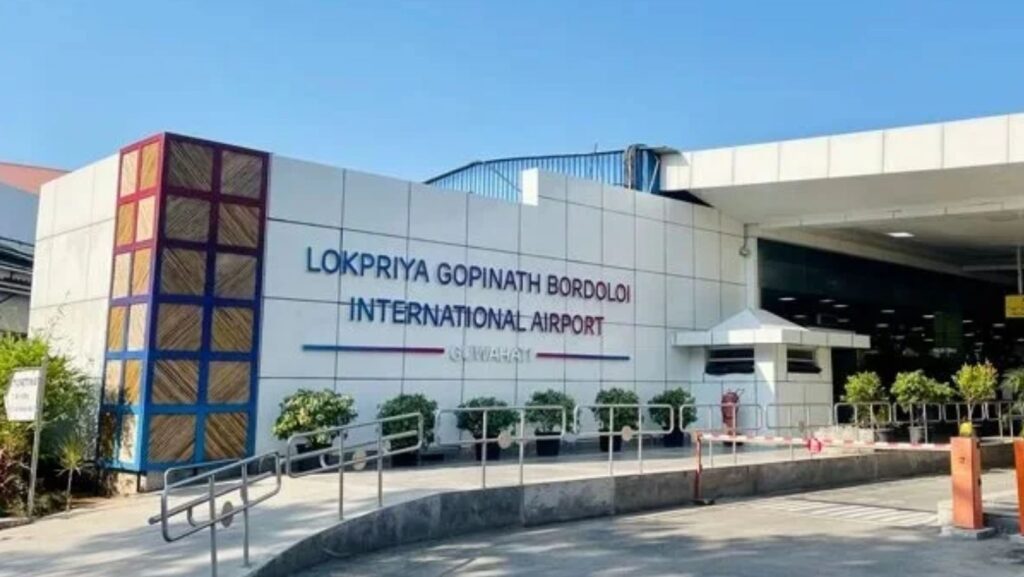
Azara,June 19: In a significant move to bolster regional connectivity and enhance the air travel experience in Northeast India, Lokpriya Gopinath Bordoloi International (LGBI) Airport in Borjhar has rolled out a comprehensive set of infrastructure upgrades. These developments aim to streamline vehicular movement, reduce congestion, and improve overall accessibility marking a crucial step forward in modernizing the region’s aviation facilities.
Faced with increasing passenger volumes and mounting vehicular traffic, Guwahati Airport has prioritized structural expansion and smarter traffic management to ensure a smoother transit experience for travelers. A standout element of the initiative is the widening of the airport’s main approach road from two lanes to four. This strategic move has significantly improved access to the terminal by allowing more vehicles to move in parallel, thereby easing congestion during peak hours and ensuring punctuality for time-sensitive air travelers.
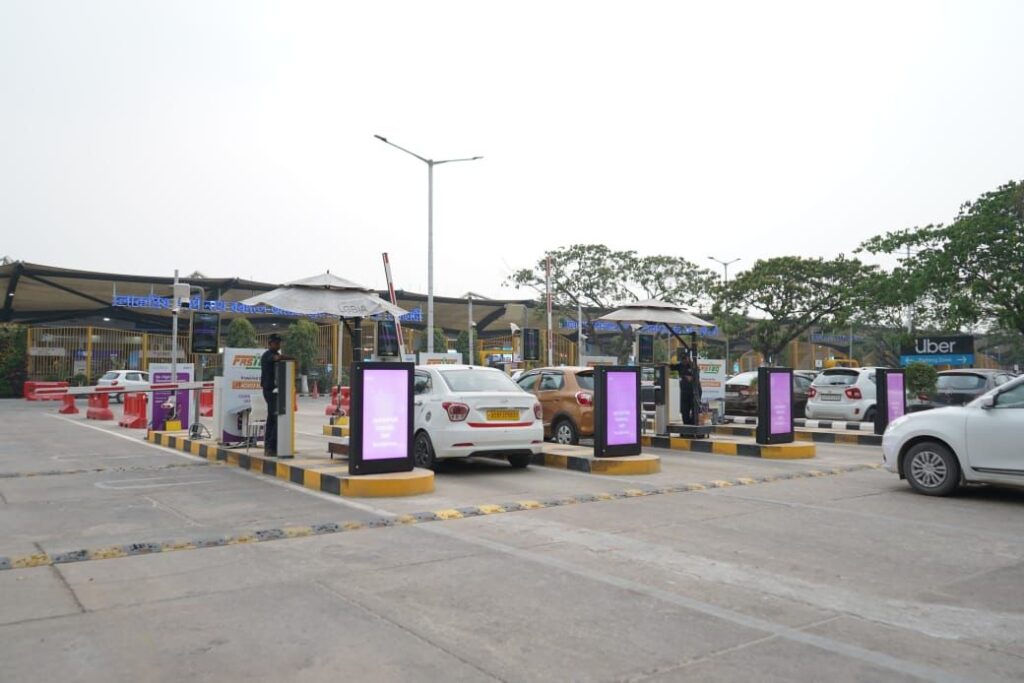
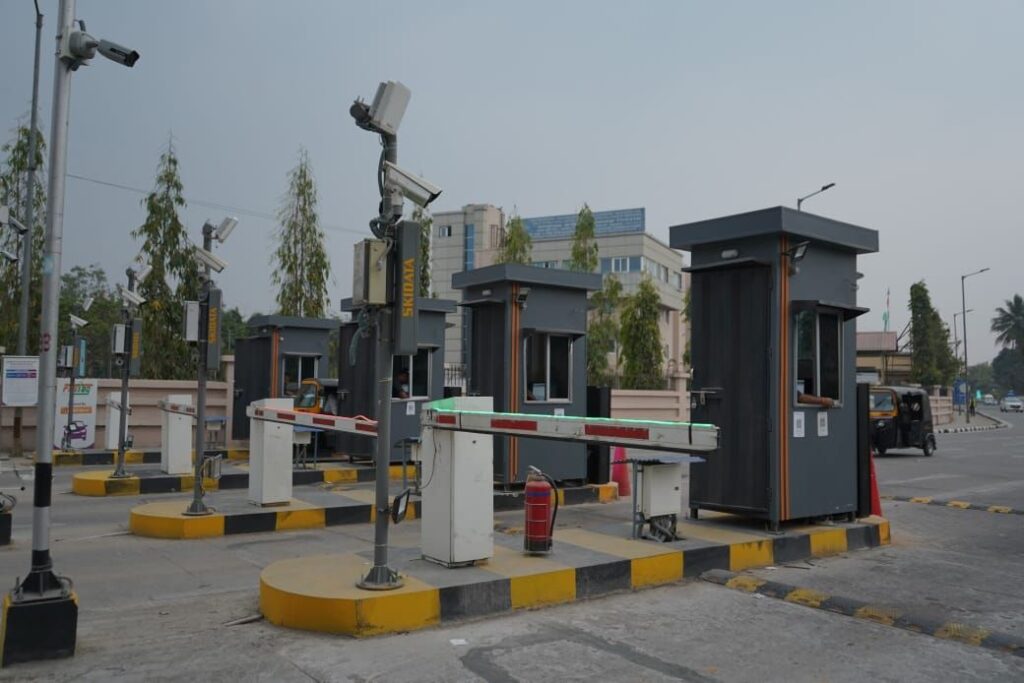
The airport’s exit road has also received a much-needed overhaul. It now features four lanes as well, doubling its previous capacity. This enhancement facilitates faster and more organized departures from the airport premises, offering a stress-free exit for passengers and airport staff alike.
In an effort to streamline operations and enhance security, Guwahati Airport has implemented a clear segregation system for different categories of vehicles. A dedicated entry lane has been introduced exclusively for Very Very Important Persons (VVIPs) and protocol vehicles, ensuring unobstructed and secure access for government officials and dignitaries. By separating high-security movements from regular passenger traffic, the airport has managed to reduce bottlenecks and improve flow dynamics within the premises.
Further strengthening these initiatives is the integration of FASTag-enabled lanes at all entry and exit points. By leveraging the National Electronic Toll Collection system, the airport has embraced a contactless, cashless model for toll payments. These lanes eliminate the need for manual processing, drastically reducing vehicle stoppage time and contributing to a smoother, more efficient experience for both private and commercial vehicles.
To cater to unexpected spikes in vehicular movement often observed during festivals, holidays, or sudden influxes of travelers, the airport has deployed mobile gates. These temporary access points can be activated as needed to regulate traffic surges, ensuring that service levels remain uninterrupted even during high-demand scenarios. This flexible infrastructure solution underlines the airport’s commitment to adaptability and real-time responsiveness.
The ongoing infrastructure modernization is part of a broader vision spearheaded by the Guwahati Airport Authority to transform Guwahati Airport into a key aviation hub for both domestic and international sectors. As Guwahati strengthens its role in India’s Act East policy and emerges as a strategic connector to Southeast Asian nations, such investments in airport capacity and service quality are becoming increasingly critical.
Guwahati Airport’s renewed focus on accessibility and innovation not only improves day-to-day travel operations but also reinforces the airport’s position as the primary gateway to the Northeast. The improved infrastructure sets a precedent for future airport development across the region and demonstrates how thoughtful planning and strategic investment can yield tangible improvements in public infrastructure.
As air travel demand in India continues to evolve and expand, especially in tier-II and tier-III cities, the enhancements at Guwahati Airport highlight the growing importance of regional hubs in the national aviation landscape. These efforts are expected to have a cascading effect fueling tourism, enhancing business opportunities, and accelerating economic development throughout Assam and the broader Northeast corridor.
With these landmark upgrades, Lokpriya Gopinath Bordoloi International Airport stands not only as a transit point but as a symbol of progress, accessibility and regional pride ready to meet the future of travel with modernity, resilience, and a passenger-first approach.