Major Economic Losses and Livelihood Challenges from Climate Change in Golaghat’s Kaibarta and Mising Communities
Guwahati/Golaghat, 6th December: A recent study conducted by the Palakiya Foundation and Team Zibon among more than hundred families in the Kaibarta and Mising communities across Bhakatsapori and Rajankhat regions of Golaghat district reveals the escalating economic losses and livelihood hardships triggered by erratic and extreme weather patterns. Findings reveal that families are losing an average of ₹20,000 to ₹40,000 annually due to climate-induced damages, including floods, prolonged dry periods, and escalating human-wildlife conflicts.
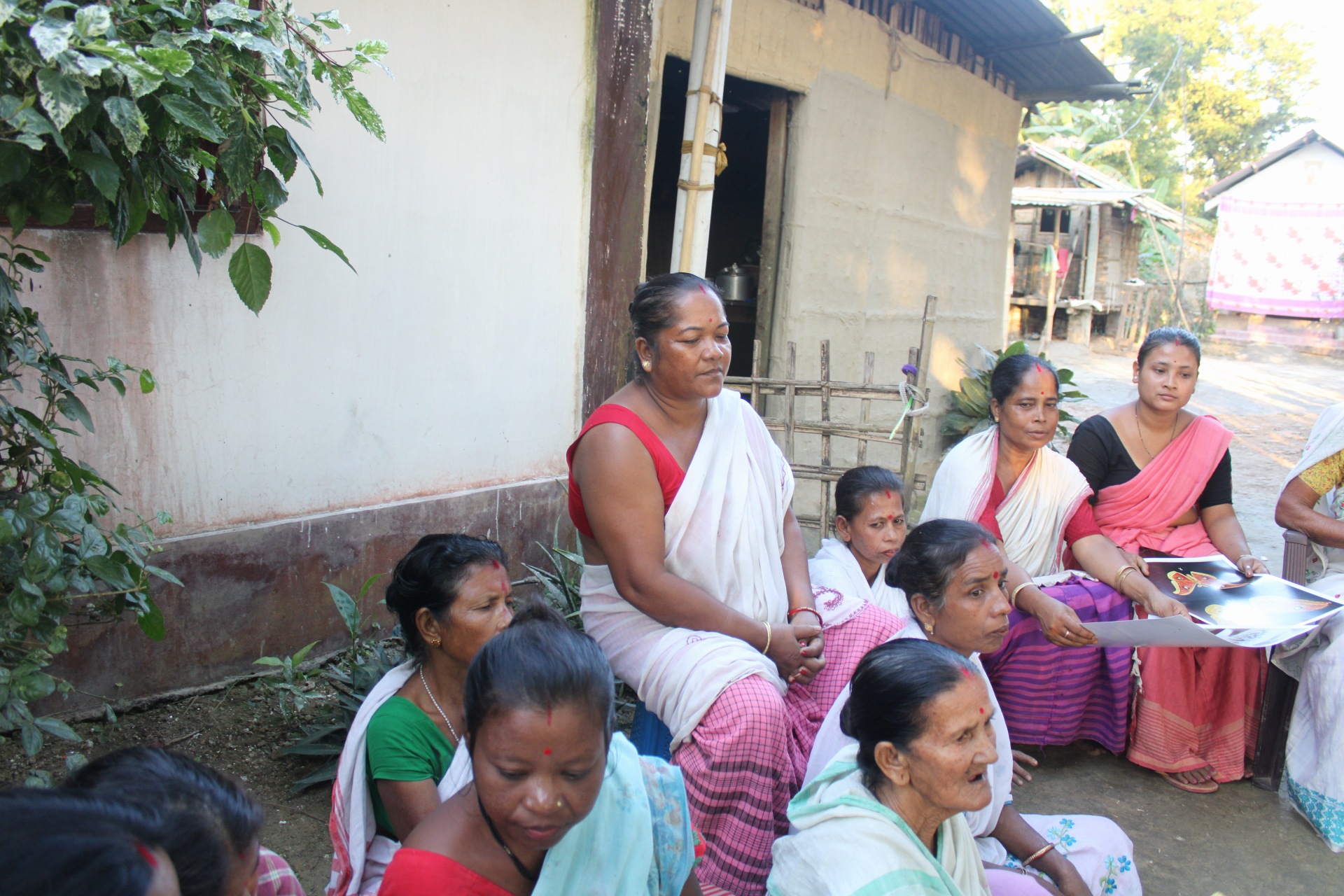
The survey involved extensive focus group discussions (FGDs) held in two key locations—Bhakatsapori, a predominantly Mising village with approximately 200 households and 800 residents, and Rajankhat, home to 150 Kaibarta households reliant on fishing and wetland resources. These discussions provided rich, ground-level insights on how climate change phenomena disrupt traditional income sources such as agriculture, fishing, and livestock rearing, while also threatening cultural and social dynamics.
Bhakatsapori village is built on stilts as a centuries-old adaptive response to annual floods. Local livelihoods rest primarily on cultivating rice, mustard, and black gram, coupled with livestock husbandry. Farming accounts for 60% of income, fishing and livestock another 30%, with government subsidies making up the remainder. Yet, villagers report drastic changes over the past decade: floods have shifted from slowly rising, soil-enriching “good floods” in August–September to sudden, short, and damaging surges caused largely by upstream dam water releases, notably from the Subansiri dam. These floods wash away seedlings, erode fertile topsoil, and damage critical infrastructure, including homes and watchtowers meant to monitor wildlife intrusion.
Crop failures have become more frequent, especially among black gram and mustard, forcing families to increasingly purchase seeds and pulses from distant markets. Concurrently, post-flood elephant raids on cropland have surged, leading to estimated losses of up to 20% of the harvest this year alone. Farmers expressed that these compounded stresses are prompting young adults to migrate to urban centers such as Bangalore, Hyderabad, and Chennai in search of alternative employment.
In Rajankhat, the Kaibarta community heavily depends on fishing from ponds and a large shared wetland (Beel). Women are vital to the fishing economy, managing nets, water control, and fish processing. While fishing provides 80% of livelihoods in the village, short periods of intense rainfall and prolonged dry spells have severely diminished water levels necessary for fish breeding and wetland health. Traditional flood patterns that once replenished ponds and ecosystems have all but disappeared. Summers grow hotter, shrinking aquatic habitats and reducing fish catchability. Both communities consistently attribute the disruption of natural hydrological cycles to the adverse effects of large upstream dams.
Mahima Bansal, Director of Palakiya Foundation, said, “The voices from Bhakatsapori and Rajankhat reflect the urgent need to harmonize infrastructure development with local environmental realities and traditional knowledge. Protecting these vulnerable riverine communities means addressing climate impacts holistically, supporting adaptive livelihoods, ecological restoration, and community empowerment.”
“The organisation is commited to working closely with governmental agencies, local organizations, and the communities themselves to co-create sustainable interventions that safeguard both natural resources and the cultural fabric upon which these populations profoundly depend,” added Bansal.
The survey gathered community recommendations for mitigating ongoing hazards and building resilience. In Bhakatsapori, villagers requested government facilities such as schools and public offices to be constructed on stilts, following indigenous architecture that accommodates floodwaters. They emphasized the need for timely and fair compensation for crop and livestock losses and called for improved coordination and warning regarding water releases from dams. At Rajankhat, suggestions included strengthening community governance of the Beel, establishing community-run fish seed banks, and creating water retention structures to sustain aquatic life during dry months. Both groups urged the implementation of early warning systems for flood and dry spell events and transparent communication channels facilitating real-time upstream water management information. They also advocated for livelihood diversification initiatives attuned to local social and ecological contexts, such as women’s cooperatives for weaving, handicrafts, or trading, in addition to formal institutional mechanisms like council-led oversight of upstream dam operations.
For further information, please contact:
Team Zibon
Nilabh
9864456589