BTR Gears Up for Elections as Political Parties Shift into High Gear
Kokrajhar, July 10:
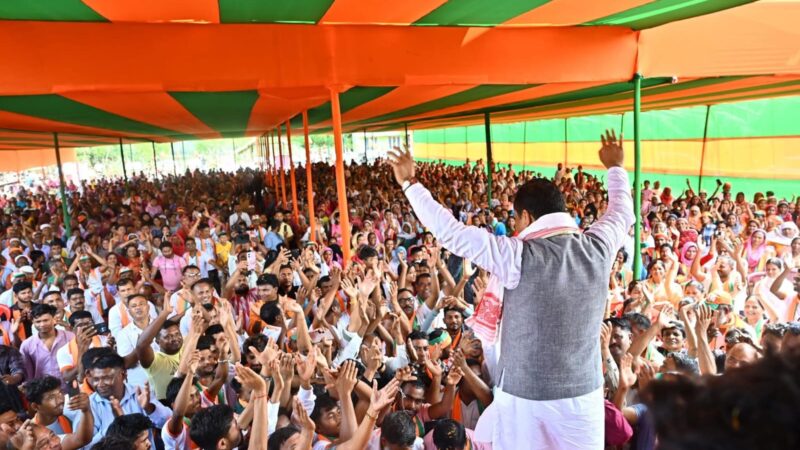
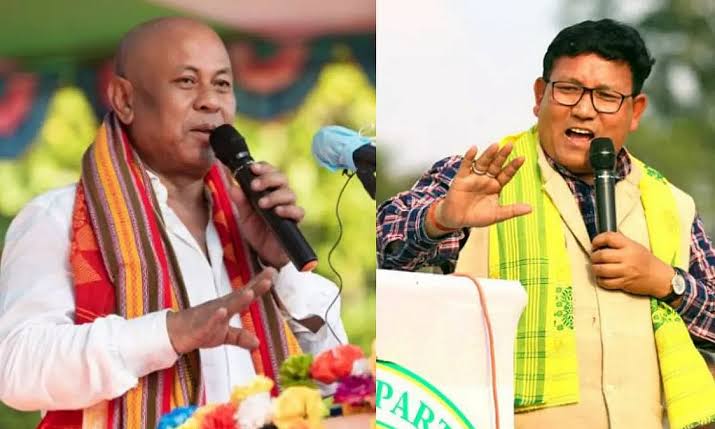
With elections to the Bodoland Territorial Council (BTC) on the horizon, political activity across the Bodoland Territorial Region (BTR) has entered a decisive phase. Major parties—including the United People’s Party Liberal (UPPL), Bodoland People’s Front (BPF), and the Bharatiya Janata Party (BJP)—are preparing to contest the elections independently, setting the stage for a multi-cornered contest that could significantly alter the region’s political calculus.
The UPPL, which currently leads the BTC administration, has launched an intensive outreach campaign, highlighting its governance record, infrastructural progress, and welfare-centric initiatives. From land settlement and digitization to youth employment programs, the party is positioning itself as a stable and forward-looking force in the region.
The BPF, once a dominant power in BTR, is making efforts to regain its lost ground. Despite its reduced influence, it still commands a support base in certain traditional pockets. With veteran leadership and a renewed organizational push, the BPF is expected to contest all seats independently.
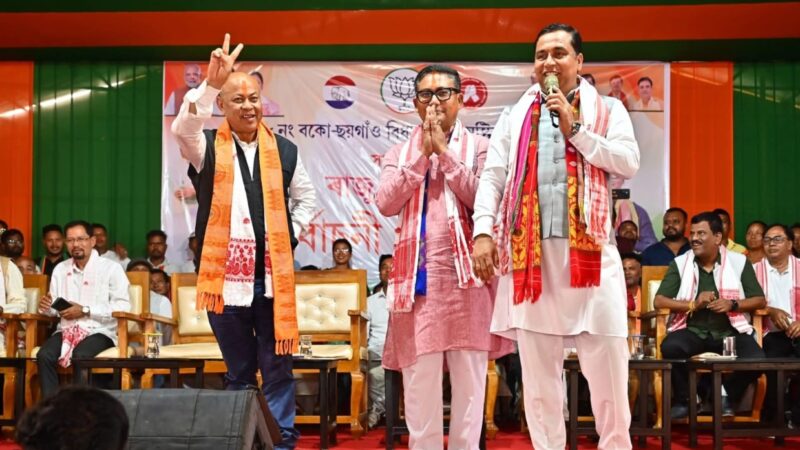
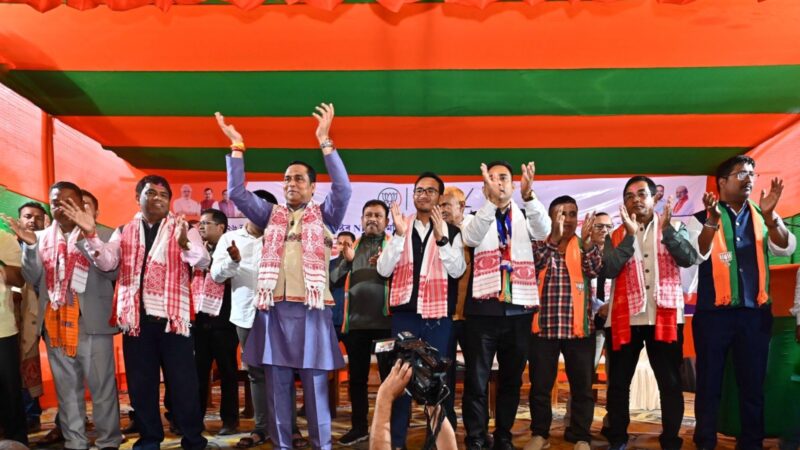
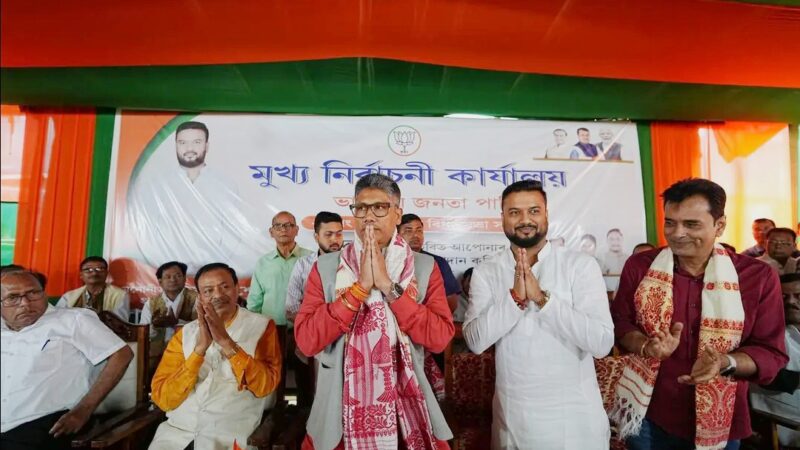
In a strategic shift, the BJP—currently in alliance with the UPPL at the council level—has announced its decision to contest separately. While this may create overlapping zones of influence with the UPPL, observers suggest it may not significantly affect UPPL’s core support, given the latter’s deep-rooted local presence and consistently active leadership on the ground.
Adding a new dimension to the evolving political landscape is the entry of the Alternative Party of Bodoland (APB). Formed recently and led by Dr. Anjali Daimari, sister of NDFB leader Ranjan Daimary, the APB aims to tap into emotive community issues and sentiments around political representation and identity. Though its immediate impact remains uncertain, the APB is actively trying to build a presence in select constituencies.
However, political analysts believe the arrival of APB could end up fragmenting the opposition vote, indirectly benefiting the UPPL in crucial constituencies. With BPF, BJP, and APB contesting separately, the UPPL’s cohesive ground machinery and consistent performance narrative may offer it a strategic edge in the upcoming battle.
The Election Commission is yet to officially announce the poll schedule, but political temperatures in BTR are already on the rise. In the coming weeks, the region is expected to witness intense campaigning, realignment of local forces, and a contest that will determine the direction of governance in BTR for the next term.