
Health Experts Warn of Rising Vector-Borne Disease Risk Across Northeast Due to Climate Change
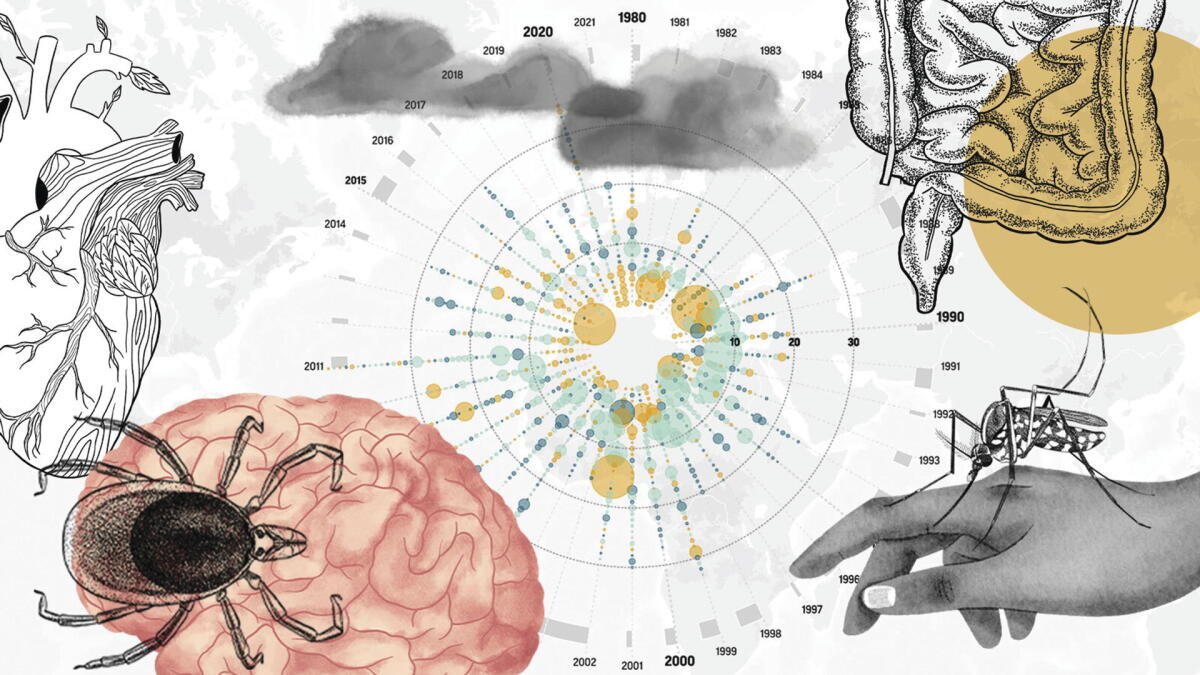
Guwahati: Health experts have warned that climate change is increasing the risk of vector-borne diseases across the Northeastern states, with changing weather patterns allowing disease-carrying mosquitoes and other vectors to spread into previously unaffected areas.
A recent expert assessment highlighted that rising temperatures, prolonged monsoon seasons, and changing rainfall patterns are creating favourable conditions for diseases such as dengue, malaria, Japanese encephalitis, and scrub typhus to expand into new regions.
Public health specialists have called for stronger disease surveillance, improved vector control programmes, and greater public awareness to tackle emerging health risks. They also stressed the importance of strengthening healthcare infrastructure in remote and rural areas where access to medical facilities remains limited.
Experts noted that environmental changes are altering the geographical distribution of disease vectors, making early detection and preventive measures increasingly important for the region.
State governments have been advised to intensify mosquito control drives, promote sanitation measures, and encourage residents to eliminate stagnant water around homes to reduce breeding grounds.
Key Highlights:
- Climate change is increasing the spread of vector-borne diseases.
- Dengue, malaria, Japanese encephalitis, and scrub typhus remain major concerns.
- Experts recommend stronger surveillance and preventive healthcare.
- Public awareness and sanitation measures are key to reducing risks.
- States urged to strengthen disease monitoring systems.