
American Air Defense Supplies at Risk in Potential New Iran Conflict
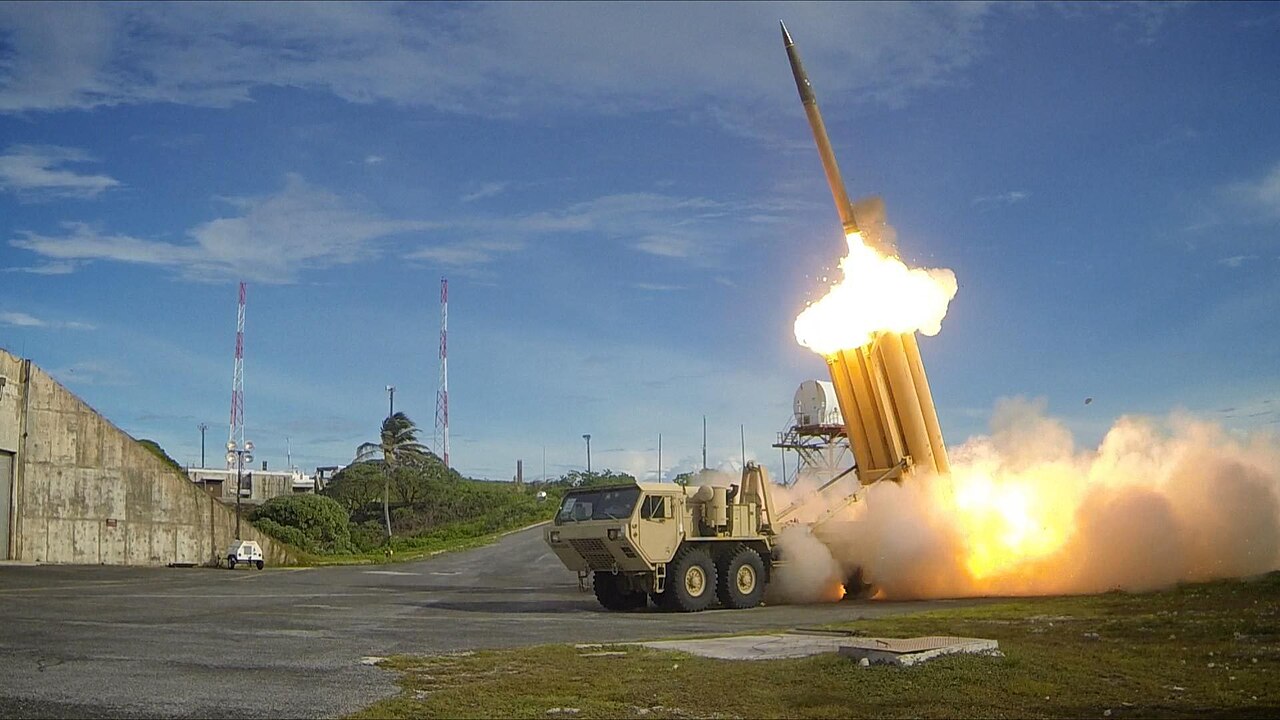
Guwahati: The United States Army used a substantial number of air defense munitions during the first phase of Operation Epic Fury (America’s coordinated joint airstrikes with Israel against Iran which began on February 28, 2026).
The continued war has significantly depleted the air defense inventories further, stated a Center for Strategic and International Studies (CSIS) analysis . Thankfully for the Americans, the Iranian missile launches have so far been at a lower rate than before the ceasefire.
The Patriot missile system and THAAD (Terminal High Altitude Area Defense), are the main interceptors used by the U.S. forces during the operation.
The U.S had approximately 2,330 Patriot missiles before the Iran conflict (February 2026). As of July 27, it is left with only 759–827 Patriot interceptors. On the other hand, of the 452 THAAD, around 234–278 remain, says the CSIS.
A single Patriot unit costs $3.9 million, and THAAD costs $15.5 million for the U.S. Reaching prewar munition levels would take the U.S. one to four years as new missiles are delivered. Moreover the U.S. also has to supply its allies with these missiles.
The CSIS stated, “The air defense campaign has been largely successful with high—though not perfect—interception rates. While some Iranian attacks got past defenses, causing casualties and extensive base damage, these attacks have been unable to diminish U.S. and coalition operations. This has required extensive use of interceptors, with Patriot inventories now under 1,000 and THAAD inventories at about 250.”
“Diminished stockpiles may force the United States and its coalition partners to take more risks with interceptions. There are no good alternatives to Patriot and THAAD for ballistic missile defense. Navy ships, with Standard Missiles that can intercept such threats, generally are too far away,” read the analysis.
The CSIS further stated that U.S. readiness to engage with China in the Western Pacific is at risk in the western Pacific due to this loss of interceptors in the Iran conflict. The Donald Trump administration has requested $95 billion in the FY 2027 defense budget and $21 billion in the war supplemental. It shows that there is a certain degree of urgency as the interceptor and other munition inventories are falling short.