Beyond Battlefield Success, CRPF’s Counter-LWE Campaign Turns Focus to Lasting Security and Governance
New Delhi: As India’s campaign against Left Wing Extremism enters a decisive stage, the focus of security operations is increasingly shifting from tactical battlefield gains towards ensuring that Maoist organisations cannot reclaim territory and that governance can take permanent root in areas once dominated by insurgents.
An institutional assessment of the Central Reserve Police Force’s contribution to the campaign highlights intelligence integration, sustained operational pressure, Forward Operating Bases and organisational preparedness as critical elements of the evolving strategy.
The tenure of CRPF Director General G.P. Singh coincided with an important phase of this campaign, during which these operational priorities aligned with the broader national strategy to permanently reduce Left Wing Extremism.
The underlying lesson emerging from the campaign is that successful counter-insurgency cannot be measured solely through encounters or the number of insurgents neutralised.
Instead, the long-term objective is to reduce the operational capacity of insurgent organisations, establish lasting State presence and create conditions in which administration, infrastructure and public services can function.
This approach has been reflected in the increasing use of permanent security camps and Forward Operating Bases after areas are cleared.
Such deployments seek to prevent Maoist formations from reoccupying territory while allowing roads, communications and other development infrastructure to expand into previously inaccessible regions.
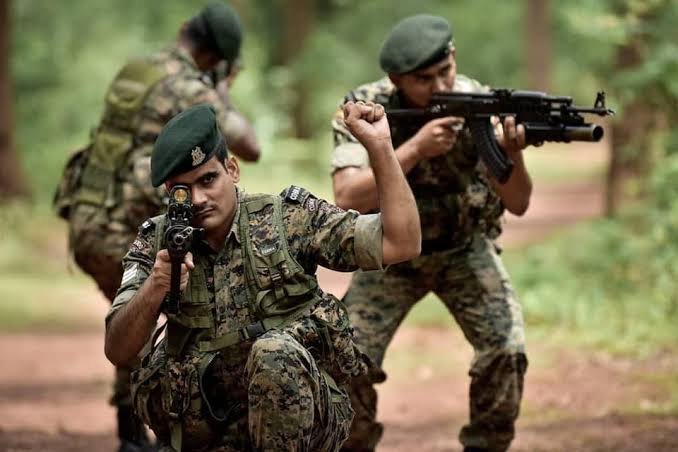
The campaign has also demonstrated the importance of intelligence-led operations and coordination among multiple agencies. CRPF units, CoBRA commandos, State Police Forces, specialised state units and intelligence agencies have increasingly operated within an integrated security framework.
At the same time, the assessment stresses that the gains achieved against Left Wing Extremism are institutional and collective rather than the product of isolated operations.
The broader counter-LWE effort has involved security forces, intelligence agencies, the Ministry of Home Affairs, State governments and civil administration.
The challenge ahead will be to consolidate operational gains so that areas freed from Maoist influence do not once again become vulnerable to insurgent activity.
For the CRPF, this means sustaining intelligence capabilities, operational adaptability, inter-agency coordination and permanent security presence while supporting the restoration of governance.
The emerging counter-LWE model consequently moves beyond the battlefield. Its ultimate measure of success will be whether security gains translate into lasting State presence, public confidence, development and normalcy in regions that have lived under the shadow of Left Wing Extremism for decades.