
Bill Gates Warns Governments Are ‘Way Behind’ on AI
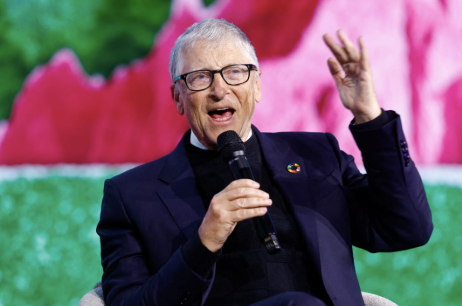
Microsoft co-founder Bill Gates has warned that governments around the world are not adequately prepared for the rapid changes artificial intelligence could bring to society.
In an interview published on Tuesday, Gates said governments need to do far more to understand and prepare for the consequences of increasingly powerful AI systems.
Gates, who has previously spoken positively about the potential of artificial intelligence, said he is now increasingly concerned about the risks associated with the technology. These include disruption to employment, cybersecurity threats and the potential for people to become excessively dependent on AI companions.
He said governments are currently not sufficiently prepared to deal with the scale of change that AI could bring, particularly as the technology develops at a rapid pace.
At the same time, Gates stressed that artificial intelligence could have a significant positive impact if it is developed and deployed responsibly. He highlighted potential applications in healthcare, education and agriculture, particularly in developing countries.
The Bill & Melinda Gates Foundation has announced plans to spend at least $1 billion over the next two years on expanding access to AI. The initiative is expected to support applications in areas including education, healthcare and agriculture, while also improving access to AI tools in different languages.
Gates has also been discussing the risks and opportunities associated with AI with political leaders. He said greater international cooperation will be necessary as governments attempt to respond to the rapid development of the technology.
His remarks come at a time when governments and technology companies are facing growing pressure to establish rules for increasingly powerful AI systems.
The debate over AI regulation is expected to intensify as governments attempt to balance technological innovation with concerns surrounding employment, security, privacy and the responsible use of artificial intelligence.